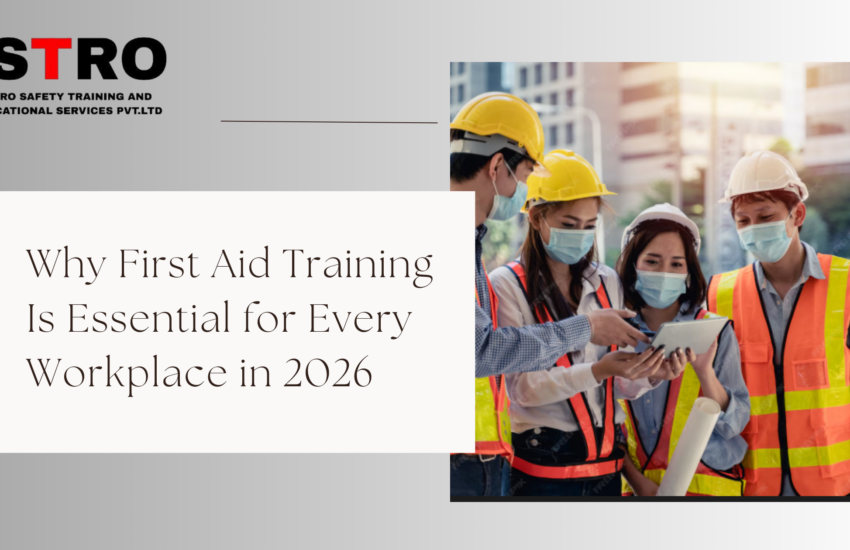
Why First Aid Training Is Essential for
Introduction
In today’s fast-paced work environments, emergencies can happen anytime — from minor injuries to life-threatening medical situations. In such moments, the first few minutes are critical. This is why first aid training has become an essential requirement for every workplace in 2026. Beyond compliance, first aid preparedness saves lives, reduces injury severity, and builds a safer, more confident workforce.
As industries expand and safety regulations tighten, organizations are recognizing that trained first aid responders are no longer optional — they are a necessity.
What Is First Aid Training?
First aid training equips individuals with the knowledge and practical skills to provide immediate care to an injured or ill person until professional medical help arrives. It focuses on quick response, correct action, and preventing a condition from worsening.
A standard first aid programme covers:
- CPR (Cardiopulmonary Resuscitation)
- Management of bleeding and wounds
- Burns and scalds treatment
- Fractures and sprains
- Choking and airway obstruction
- Shock and unconsciousness
- Basic emergency response procedures
Why First Aid Training Is More Important Than Ever in 2026
1. Rising Workplace Accidents and Health Emergencies
With increased industrial activity, construction projects, and extended working hours, workplaces face higher risks of:
- Cuts, falls, and fractures
- Burns and electrical shocks
- Heat stress and dehydration
- Cardiac emergencies
Trained first aid responders can act immediately, reducing the impact of injuries and preventing fatalities.
2. Critical Response Time Before Medical Help Arrives
In many emergencies, ambulance response time may take several minutes. During this gap, trained employees can:
- Control bleeding
- Perform CPR
- Stabilize the injured person
- Prevent shock
Immediate first aid can be the difference between life and death.
3. Legal and Safety Compliance Requirements
Many workplace safety regulations recommend or mandate availability of trained first aiders at worksites. Organizations that fail to provide proper first aid arrangements may face:
- Legal penalties
- Insurance issues
- Compliance failures
First aid training helps organizations meet safety standards and regulatory expectations.
Benefits of First Aid Training for Employers
Reduced Workplace Injuries
Quick and correct first aid minimizes injury severity, helping employees recover faster.
Lower Medical and Insurance Costs
Prompt care reduces hospitalization time and long-term treatment expenses.
Improved Workplace Safety Culture
Employees feel safer knowing help is available during emergencies.
Increased Productivity
A safer work environment leads to higher morale, confidence, and efficiency.
Benefits of First Aid Training for Employees
Life-Saving Skills
First aid training empowers individuals to save lives at work, home, or in public places.
Confidence During Emergencies
Trained employees remain calm and act decisively in critical situations.
Career Advantage
First aid certification adds value to resumes, especially in safety-oriented roles.
Personal Safety Awareness
Participants develop a proactive mindset toward health and safety risks.
Common Workplace Situations Where First Aid Matters
First aid training is essential across all sectors, including:
- Industrial and manufacturing units
- Construction sites
- Corporate offices
- Educational institutions
- Healthcare facilities
- Warehouses and logistics centers
Even office environments face medical emergencies such as fainting, choking, or cardiac events.
Role of Professional First Aid Training Institutes
Professional training institutes like ISTRO focus on practical, scenario-based first aid education rather than theory alone.
Effective first aid training includes:
- Hands-on CPR practice
- Live demonstrations
- Emergency simulations
- Real-world case studies
- Expert-led instruction
This ensures learners are fully prepared to respond in real situations, not just pass an assessment.
First Aid Training as Part of a Complete Safety Programme
In 2026, first aid training works best when combined with:
- Fire safety training
- Industrial safety awareness
- Emergency evacuation planning
- EHS (Environment, Health & Safety) practices
This integrated approach creates holistic workplace safety preparedness.
Who Should Take First Aid Training?
First aid training is suitable for:
- Employees and supervisors
- Safety officers and EHS professionals
- Students and freshers
- Security staff
- Teachers and caregivers
- Anyone responsible for workplace safety
No medical background is required — training is designed for beginners.
Why Choose ISTRO for First Aid Training
ISTRO’s first aid programmes are designed to build confidence, competence, and real-world readiness. With experienced trainers, practical sessions, and industry-aligned curriculum, learners gain skills that truly matter during emergencies.
ISTRO focuses on:
- Practical hands-on learning
- Real-life emergency scenarios
- Safety awareness and leadership
- Industry-relevant certification
Conclusion
First aid training is not just a safety requirement — it is a responsibility. In 2026, workplaces that invest in first aid preparedness are better equipped to protect their people, reduce risks, and foster a culture of care and safety.
Whether you are an employer, employee, or aspiring safety professional, first aid training is a skill that can save lives and build safer workplaces. With the right training and guidance, everyone can become a confident first responder.
